

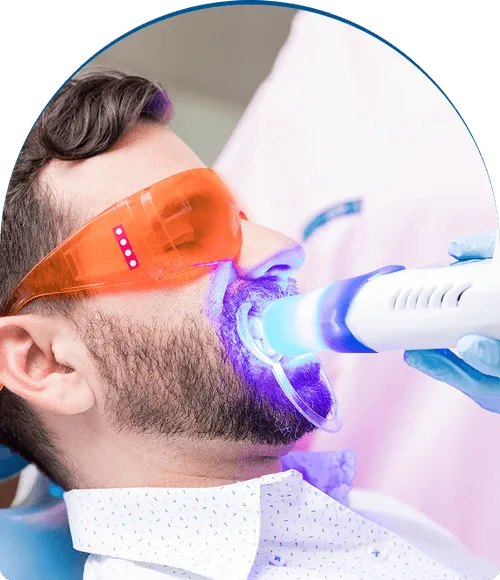
Modern dentistry continues to evolve with advanced technology that improves patient comfort and treatment precision. Dental laser treatment is one of the most innovative developments in dental care. It allows dentists to perform certain procedures with greater accuracy while reducing discomfort and recovery time. Many patients choose laser dentistry because it offers a more comfortable and minimally invasive treatment experience.
Patients searching for dental laser treatment often want to understand how it works, whether it is safe, and which dental problems it can treat. Learning about the benefits and modern uses of dental lasers can help patients feel more confident about choosing this advanced treatment option.
Some patients also combine laser treatments with family cosmetic dentistry procedures to improve both oral health and smile appearance.
What Is Dental Laser Treatment?
Dental laser treatment uses concentrated light energy to treat soft and hard tissues inside the mouth. Lasers can perform certain dental procedures with greater precision compared to traditional instruments. This technology is commonly used for gum treatments, cavity care, cosmetic procedures, and oral tissue management.
Dental lasers are designed to improve patient comfort while supporting more efficient treatment outcomes.
Common uses of dental laser technology include:
- Gum disease treatment
- Cavity removal
- Gum reshaping
- Soft tissue procedures
- Teeth sensitivity treatment
Laser dentistry is considered a minimally invasive treatment option because it often reduces the need for drilling, sutures, and extensive tissue removal.
How Dental Lasers Work in Modern Dentistry
Dental lasers produce focused light energy that interacts with oral tissues. Different types of lasers are used depending on the procedure being performed. Some lasers are designed for soft tissue treatments, while others are used for hard tissue procedures involving teeth.
The precision of laser technology allows dentists to target specific areas without affecting surrounding tissues. This may help reduce discomfort and support faster healing.
Common Uses of Dental Laser Treatment
Laser dentistry can treat a wide range of oral health conditions. Dentists often recommend laser procedures because they offer greater accuracy and improved patient comfort.
Laser Gum Treatment for Gum Disease
Laser gum treatment is commonly used to remove infected tissue and bacteria caused by periodontal disease. This treatment helps reduce inflammation while supporting healthier gums.
Benefits of laser gum treatment may include:
- Reduced bleeding
- Less swelling
- Improved gum healing
- Reduced discomfort
- Lower infection risk
Laser treatment can also help preserve healthy gum tissue during periodontal procedures.
Laser Cavity Treatment and Tooth Decay Removal
Dental lasers may be used to remove tooth decay without traditional dental drills in some cases. This technology helps prepare the tooth for restorative treatment while minimizing discomfort.
Laser cavity treatment may offer:
- Greater precision
- Reduced vibration
- Less discomfort
- Minimal damage to healthy tooth structure
- Improved patient comfort
Many patients appreciate the quieter and less invasive nature of laser cavity procedures.
Gum Reshaping and Cosmetic Procedures
Laser technology is also used for cosmetic dental procedures. Gum reshaping treatments help improve the appearance of uneven gumlines and support smile enhancement.
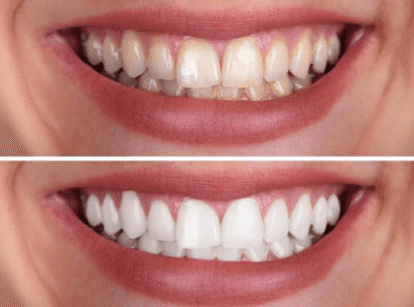
Patients interested in cosmetic improvements may also consider teeth bleaching services to brighten their smile after laser gum contouring procedures.
Benefits of Dental Laser Treatment
Laser dentistry offers several advantages compared to traditional dental procedures. Patients often choose laser treatment because it focuses on comfort, precision, and faster recovery.
Minimally Invasive Dental Care
Dental lasers allow many procedures to be performed with minimal disruption to surrounding tissues. This can make treatment less stressful for patients who experience dental anxiety.
Benefits of minimally invasive laser treatment include:
- Smaller treatment areas
- Reduced need for sutures
- Less tissue damage
- Improved precision
- Faster recovery
These advantages help create a more comfortable dental experience for many patients.
Reduced Pain and Discomfort
Laser dentistry often reduces the need for traditional drills and cutting instruments. This may help decrease discomfort during and after treatment.
Patients may experience:
- Less sensitivity
- Reduced swelling
- Lower bleeding risk
- Minimal irritation
- Greater comfort during procedures
In some cases, laser treatment may also reduce the need for anesthesia.
Faster Healing and Recovery
Because laser procedures are highly precise, the surrounding tissues often experience less trauma during treatment. This may support faster healing and shorter recovery periods.
Many patients return to normal activities more quickly after laser dentistry procedures compared to traditional surgical treatments.
Is Dental Laser Treatment Safe?
Dental laser treatment is considered safe when performed by trained dental professionals. Modern laser systems are designed to meet strict safety standards while improving treatment precision.
Safety Standards in Laser Dentistry
Dental offices using laser technology follow established safety protocols to protect patients and staff during treatment.
Safety measures may include:
- Protective eyewear
- Controlled laser settings
- Specialized training
- Careful tissue targeting
- Sterilized treatment environments
These precautions help ensure a safe and effective treatment experience.
Who Is a Good Candidate for Laser Dentistry?
Many patients may qualify for laser dental treatment, depending on their oral health needs. Laser procedures are often recommended for patients seeking more comfortable and minimally invasive treatment options.
Laser dentistry may benefit patients who:
- Experience dental anxiety
- Need gum treatment
- Want cosmetic gum reshaping
- Have tooth sensitivity
- Prefer modern dental technology
A dental consultation helps determine whether laser treatment is appropriate for a specific condition.
What to Expect During a Dental Laser Procedure
Understanding the treatment process can help patients feel more relaxed before their appointment. Laser procedures are typically straightforward and designed to maximize comfort.
Initial Consultation and Oral Examination
The process usually begins with a detailed examination of the teeth and gums. The dentist evaluates the condition being treated and discusses the most appropriate laser procedure.
The consultation may include:
- Digital imaging
- Oral examination
- Medical history review
- Treatment planning
- Discussion of recovery expectations
Personalized treatment planning helps improve both safety and treatment outcomes.
Step by Step Laser Treatment Process
During the procedure, the dentist uses a specialized laser device to target the affected area. Depending on the treatment type, the laser may remove bacteria, reshape tissue, or eliminate tooth decay.
Laser procedures are often quicker and quieter than traditional dental methods. Many patients appreciate the reduced noise and improved comfort associated with laser dentistry.
Dental Problems That Can Be Treated With Lasers
Laser technology can help manage a variety of dental and oral health conditions.
Treating Gum Inflammation and Infection
Lasers are commonly used to treat gum disease by removing infected tissue and bacteria beneath the gumline. This helps improve gum health and reduce inflammation.
Laser gum treatment may help manage:
- Gingivitis
- Periodontal disease
- Gum swelling
- Bleeding gums
- Bacterial infections
Early treatment can help prevent more advanced oral health complications.
Improving Gum Appearance
Some patients choose laser procedures for cosmetic purposes. Laser gum contouring can improve uneven gumlines and create a more balanced smile appearance.
This procedure is often recommended for patients who feel their gums appear too prominent or uneven when smiling.
Why Patients Choose Laser Dentistry Over Traditional Procedures
Many patients prefer laser dentistry because it offers a more modern and comfortable treatment experience. The technology is designed to improve precision while reducing discomfort during treatment.
Reduced Need for Sutures and Drilling
Laser procedures often minimize the need for traditional cutting tools and stitches. This may result in a more comfortable experience with less recovery time.
Patients often appreciate benefits such as:
- Reduced bleeding
- Lower swelling
- Faster healing
- Minimal tissue trauma
- Less postoperative discomfort
Laser dentistry can also improve the experience for patients with dental anxiety.
Better Experience for Patients With Dental Anxiety
Fear of dental drills and traditional instruments can make some patients avoid treatment. Laser dentistry provides a quieter and less invasive option that may feel less intimidating.
Improved comfort can encourage patients to maintain regular dental care and address oral health concerns earlier.
How to Care for Your Teeth After Laser Dental Treatment
Proper aftercare helps support healing and maintain oral health after laser procedures.
Oral Hygiene Tips After Treatment
Patients should continue practicing healthy oral hygiene habits after treatment.
Helpful aftercare recommendations include:
- Brushing gently
- Flossing carefully
- Avoiding tobacco products
- Drinking water regularly
- Following dentist instructions
Good oral hygiene supports healthy healing and helps maintain treatment results.
Importance of Follow Up Dental Visits
Routine follow up appointments allow the dentist to monitor healing and evaluate treatment success. These visits also help identify any concerns early before they become more serious.
Consistent preventive care remains important even after advanced laser procedures.
Conclusion
Dental laser treatment offers a modern and minimally invasive approach to oral health care. This advanced technology helps improve patient comfort while providing greater precision during dental procedures. Laser dentistry can be used for gum treatment, cavity care, cosmetic procedures, and soft tissue management.
Patients often choose laser treatment because it may reduce discomfort, shorten recovery time, and improve the overall dental experience. Understanding how dental lasers work and the conditions they can treat helps patients feel more informed when exploring modern dental care options.
To learn more about laser dentistry or schedule a consultation, contact Implant West.
FAQs
1. Is dental laser treatment painful?
Most patients experience little to no discomfort during laser dental procedures. Laser treatment is often considered more comfortable than traditional methods.
2. What dental problems can lasers treat?
Dental lasers can treat gum disease, cavities, soft tissue issues, gum reshaping, and tooth sensitivity.
3. Is laser dentistry safe?
Yes. Dental laser treatment is safe when performed by trained dental professionals using proper safety protocols.
4. Does laser dentistry reduce recovery time?
Many laser procedures involve less tissue trauma, which may support faster healing and shorter recovery periods.
5. Can laser treatment replace traditional dental tools?
In some procedures, lasers may reduce the need for drills and sutures, but traditional tools may still be necessary depending on the treatment type.

 Write Emails Like a Pro With These Simple Strategies