

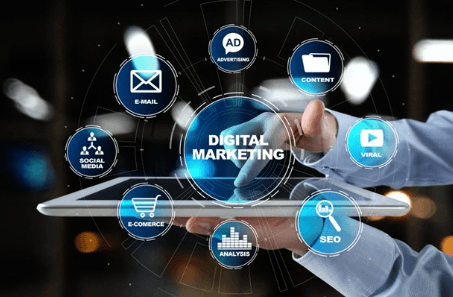
Creating a recognizable name for your business requires more than just launching a website and designing a logo. You need a cohesive strategy that connects with your target audience on a deeper level. A strong online brand builds trust, drives customer loyalty, and ultimately increases your revenue.
Many entrepreneurs struggle to stand out in crowded digital markets. They post sporadically on social media or constantly change their messaging, leaving potential customers confused. You can avoid these pitfalls by establishing a clear, intentional branding strategy from day one.
This guide provides a comprehensive roadmap for building an influential digital presence. You will learn how to define your brand identity, maintain visual consistency, professionalize your business foundations, and execute a high-converting content strategy. Let us explore the steps you must take to turn your business into an unforgettable brand.
Define Your Core Brand Identity
Your brand identity serves as the foundation for every marketing decision you make. Before you choose brand colors or write a single blog post, you must understand exactly who you are as a company. This clarity makes all subsequent branding efforts much easier and more effective.
Establish Your Mission and Values
Every compelling brand operates with a clear mission. Ask yourself why your business exists beyond making a profit. Your mission statement should clearly articulate the specific problem you solve for your customers.
Next, define your core values. These principles guide your company culture and dictate how you interact with your customers. When you openly share your values, you attract customers who share those same beliefs. This shared alignment creates fierce brand loyalty that competitors cannot easily steal.
Pinpoint Your Target Audience
You cannot build a strong brand if you try to appeal to everyone. Narrowing your focus allows you to tailor your messaging directly to the people most likely to buy from you. You must create detailed buyer personas that represent your ideal customers.
Look beyond basic demographics like age and location. Investigate their pain points, desires, and daily habits. Determine which social media platforms they use and what type of content they consume. When you understand your audience intimately, your brand voice will naturally resonate with them.
Develop Your Brand Voice
Your brand voice dictates how you communicate with your audience across all channels. It determines the tone of your emails, the style of your social media posts, and the copy on your website. Consistency in this voice builds familiarity and trust over time.
You Should Also Read : TechAiTech
Decide whether your brand sounds authoritative, playful, nurturing, or disruptive. If you run a financial consulting firm, a highly professional and secure tone makes the most sense. If you sell surfboards, a relaxed and adventurous voice will perform much better. Document these voice guidelines so anyone writing for your company maintains the same style.
Establish Visual Consistency
Humans process visual information incredibly fast. Your audience will form an opinion about your brand within milliseconds of landing on your website. Visual consistency ensures that this first impression aligns with the high quality of your products or services.
Design a Memorable Logo
Your logo acts as the face of your business. It needs to be versatile, recognizable, and deeply tied to your brand identity. Avoid overly complex designs that lose their impact when scaled down on mobile devices.
Consider hiring a professional designer instead of using generic templates. A unique logo separates you from competitors who rely on stock imagery. Ensure your designer provides your logo in various formats and color variations so you can use it across different mediums effortlessly.
Choose Your Color Palette and Typography
Colors evoke specific psychological responses. Blue often communicates trust and security, making it popular among tech and finance companies. Red conveys excitement and urgency, which works well for food and entertainment brands. Select a primary color and two or three complementary colors to use across all your assets.
Typography also plays a crucial role in visual branding. Select two or three fonts to use across your website and marketing materials. Use a highly readable font for your body text and a more distinctive font for your headers. Stick to these choices rigidly to maintain a cohesive look.
Professionalize Your Business Foundation
While marketing and design capture attention, your operational foundations sustain your brand’s credibility. Customers and vendors expect a seamless, professional experience when they interact with your business. If your backend operations are messy, it will eventually bleed into your customer experience.
Secure Your Digital Assets
Your website serves as your primary digital real estate. Purchase a clean, memorable domain name that matches your brand exactly. Avoid using hyphens or obscure domain extensions if possible.
Claim your brand name across all major social media platforms, even if you do not plan to use them immediately. This prevents competitors or bad actors from hijacking your brand identity. Use professional email addresses linked to your domain name rather than generic email providers.
Set Up Financial Systems
A strong brand requires a robust financial structure behind it. Mixing personal and business finances creates massive accounting headaches and looks incredibly unprofessional to clients or partners. You must establish clear boundaries to protect your business legally and financially.
One of the most important early steps is completing your business bank account opening. A dedicated account allows you to accept payments under your company name, issue corporate cards, and integrate seamlessly with accounting software. This financial professionalization builds immediate credibility with vendors and sets the stage for scalable growth.
Develop a Winning Content Strategy
Content is the vehicle that delivers your brand message to the world. A strategic approach to content creation positions your brand as an industry authority. It also drives organic traffic to your website and generates high-quality leads.
Create Value-Driven Content
Your audience does not want to read constant promotional pitches. They want solutions to their problems. Focus on creating educational, entertaining, or inspiring content that provides immediate value.
If you sell fitness equipment, write detailed guides on building home workout routines. If you offer marketing software, publish case studies showing exactly how businesses increase their conversion rates. When you give away valuable information for free, customers will naturally trust you when it comes time to make a purchase.
Leverage Blogging and SEO
A well-maintained blog remains one of the most effective tools for building online authority. Search Engine Optimization (SEO) ensures that your content ranks high on Google when potential customers search for relevant keywords.
Research the exact phrases your target audience types into search engines. Structure your articles with clear headings and integrate these keywords naturally. Commit to a consistent publishing schedule, aiming for at least one high-quality post per week. Over time, this compounding effort will turn your website into a powerful lead generation engine.
Build a Powerful Social Media Presence
Social media allows you to interact directly with your customers in real time. However, building a strong brand on social media requires strategy, not just sporadic posting. You must choose the right platforms and commit to genuine engagement.
Choose the Right Platforms
You do not need to be on every single social media platform. Attempting to master them all will only spread your resources too thin. Focus on the two or three platforms where your target audience actually spends their time.
B2B companies usually find the most success on LinkedIn and X. Visual brands, such as fashion or interior design companies, thrive on Instagram and Pinterest. Short-form video content on TikTok or YouTube Shorts works exceptionally well for reaching younger demographics. Master your chosen platforms before expanding elsewhere.
Engage, Do Not Just Broadcast
Social media is a two-way conversation. Brands that only broadcast their messages fail to build vibrant communities. You must actively engage with your followers to foster loyalty and trust.
Respond to comments on your posts promptly. Share user-generated content to show appreciation for your customers. Ask questions in your captions to encourage discussion. When you treat your audience like a community rather than just a customer base, your brand equity skyrockets.
Monitor and Adapt Your Brand
Building a strong online brand is never entirely finished. Markets shift, consumer preferences evolve, and new competitors enter the space. You must continuously monitor your brand’s health and adapt your strategies to stay relevant.
Track Your Brand Sentiment
Pay close attention to what people say about your business online. Set up alerts for your company name to track mentions across social media and review sites. Reading these comments provides unfiltered feedback on how the public perceives your brand.
If you notice recurring complaints or negative sentiment, address the root cause immediately. Handling criticism with grace and transparency actually strengthens your brand. It shows your audience that you care about their experience and actively strive to improve.
Conduct Regular Brand Audits
Schedule a comprehensive brand audit every twelve months. Review your website, social media profiles, and marketing materials. Check for consistency in your visual design, tone of voice, and core messaging.
Ask yourself if your brand identity still accurately reflects your current business model. If you have launched new products or shifted your target audience, you may need to refresh your messaging. Continuous refinement ensures that your brand remains sharp, relevant, and highly competitive.
Conclusion
Building a strong online brand demands clarity, consistency, and commitment. Start by defining exactly who you are and who you serve. Translate that identity into a cohesive visual design that captures attention instantly.
Remember to secure your operational foundation by professionalizing your finances and digital assets. From there, execute a value-driven content strategy and build a genuine community on social media. By following these steps, you will transform your business from an unknown entity into a trusted, influential brand that dominates its market.
Frequently Asked Questions (FAQs)
How long does it take to build a recognizable online brand?
Building a strong brand is a long-term play. While you can establish your visual identity and launch a website in a few weeks, building trust and recognition usually takes six to twelve months of consistent effort. Your SEO and content marketing strategies will also require several months to start compounding and driving significant organic traffic.
Do I need to hire an expensive agency to create my brand identity?
No, you do not need an expensive agency when you are just starting. You can define your mission, values, and audience personas entirely on your own. You can also hire freelance designers to create professional logos and brand kits at a fraction of an agency’s cost. As your revenue grows, you can invest in comprehensive agency services to refine and scale your branding efforts.
What should I do if my current branding is not resonating with my audience?
First, gather data to understand the disconnect. Survey your current customers and analyze your website metrics to see where people lose interest. If your branding misses the mark, consider a rebrand. This involves updating your visual assets, refining your messaging, and possibly adjusting your target audience. Communicate these changes transparently to your existing customers so they understand the evolution of your business.
How do I maintain brand consistency if I have multiple people creating content?
You must create a comprehensive brand guidelines document. This document should outline your exact color codes, typography rules, logo usage guidelines, and brand voice characteristics. Require every employee, freelancer, or agency partner to review this document before creating any public-facing materials for your company. Regularly review their output to ensure strict compliance.
Is a personal brand important if I already have a business brand?
Yes, building a personal brand alongside your business brand provides a massive advantage. People inherently trust other people more than they trust faceless corporations. When the founder shares behind-the-scenes insights, industry expertise, and personal stories on platforms like LinkedIn, it humanizes the business. This personal connection often drives more high-quality leads and partnership opportunities than traditional corporate marketing.




 Top Hernia Surgeon in Dubai and General Surgeon in Dubai for Safe and Advanced Procedures