

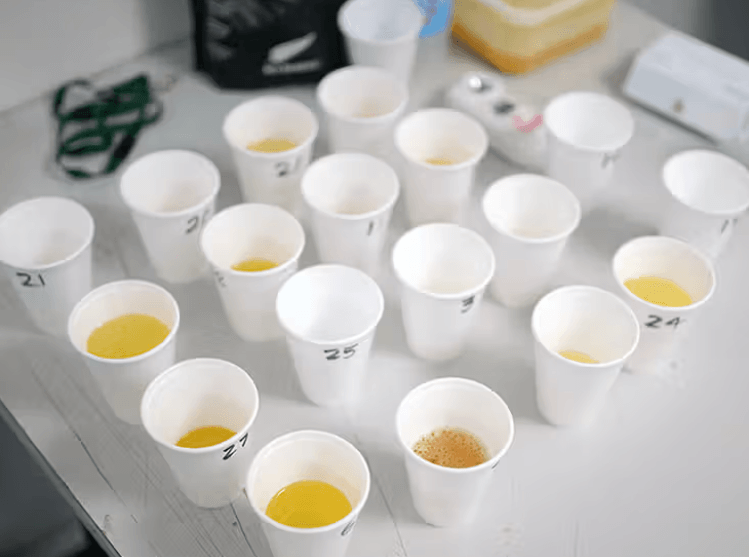
The substances that drug testing programs need to detect have changed faster than the testing formats many organizations use. Programs built around five or ten panel screens may have been adequate years ago, but the current landscape of substance use in the workforce is more complex. Synthetic opioids, prescription drug misuse, and the inclusion of alcohol detection have all pushed the conversation toward higher-panel configurations. Among these, 14 panel cups represent one of the most comprehensive one-step testing solutions available for organizations that need depth without the complexity of laboratory-based testing.
Understanding what a 14-panel cup screens for and why the extended coverage matters helps organizations evaluate whether their current testing configuration is aligned with the actual risks they face.
What Differentiates a 14-Panel Screen
Standard lower-panel configurations test for a core set of substances. A 14-panel screen adds several critical extensions to this foundation. Fentanyl coverage is perhaps the most significant addition in the current environment. Because fentanyl and its analogues are structurally distinct from morphine-based opioids, they are not reliably detected by standard opiate panels. A dedicated fentanyl immunoassay panel closes this gap and is now considered essential for safety-sensitive industries.
ETG (ethyl glucuronide) is another important extension. This biomarker detects alcohol consumption within the previous 80 hours through its metabolic byproduct, providing a longer detection window than traditional alcohol tests. For industries and roles where alcohol policy compliance matters beyond just the hours immediately before a shift, ETG detection adds meaningful coverage.
Additional panels typically include buprenorphine, methadone, oxycodone, tramadol, and benzodiazepines at higher sensitivity than basic panel configurations, reflecting the prevalence of prescription opioid and sedative misuse in many workforce populations.
14 panel cups provide all of this detection in a single integrated device, making them practical for on-site use without the cost or turnaround time of laboratory testing.
Industries That Benefit Most
Construction, transportation, healthcare, manufacturing, and any sector where impairment directly translates into safety risk benefit most from high-panel coverage. In these environments, a missed positive for a synthetic opioid or prescription sedative is not merely a compliance oversight: it is a safety failure with potentially serious consequences for the affected individual and those around them.
Healthcare organizations face additional considerations, as employees who have access to controlled substances face a specific risk category that basic panel screens do not fully address. Transportation companies subject to federal regulations have mandated panels but may supplement with broader screening for non-regulated positions.
Program Design Considerations
Higher panel coverage is most valuable when paired with a well-designed program. Pre-employment screening, random testing, post-incident protocols, and return-to-duty testing each serve distinct purposes and together create a comprehensive deterrent and detection framework. The testing cup is the instrument, but the program design determines its effectiveness.
Written policies, trained administrators, clear consequences, and employee assistance resources complete the picture. Organizations that invest in the infrastructure around testing produce better outcomes than those that simply purchase cups without the surrounding framework.
See also: Ivim Health: A 2026 Patient-Side Review
FAQ
Are 14-panel cups approved for federally regulated testing programs? Federal DOT programs specify the substances and methods for regulated testing. 14-panel cups that include additional substances beyond the federal mandate are typically used for non-regulated positions within those industries or as a supplement to the regulated program.
How are fentanyl panel results interpreted? Results follow the same logic as other panels: absence of a line indicates a presumptive positive for fentanyl at or above the cutoff concentration. All presumptive positives should be confirmed by laboratory analysis.
Can test cups detect all fentanyl analogues? The fentanyl panel detects fentanyl and many of its common analogues, but not all. Highly novel analogues may not be covered. Laboratory confirmation using mass spectrometry provides the most complete detection.
How should a positive ETG result be handled? A presumptive positive ETG result indicates recent alcohol consumption. As with other results, laboratory confirmation is recommended before employment action. The Medical Review Officer can assess context including mouthwash, hand sanitizer exposure, or other sources of ethanol that may cause false positives.
What is the shelf life of drug test cups? Most cups have a shelf life of 12 to 24 months. Storage in cool, dry conditions away from direct sunlight helps maintain test integrity throughout the stated shelf life.

 How a Pea Protein Shake Fits Into a Practical Daily Nutrition Routine