

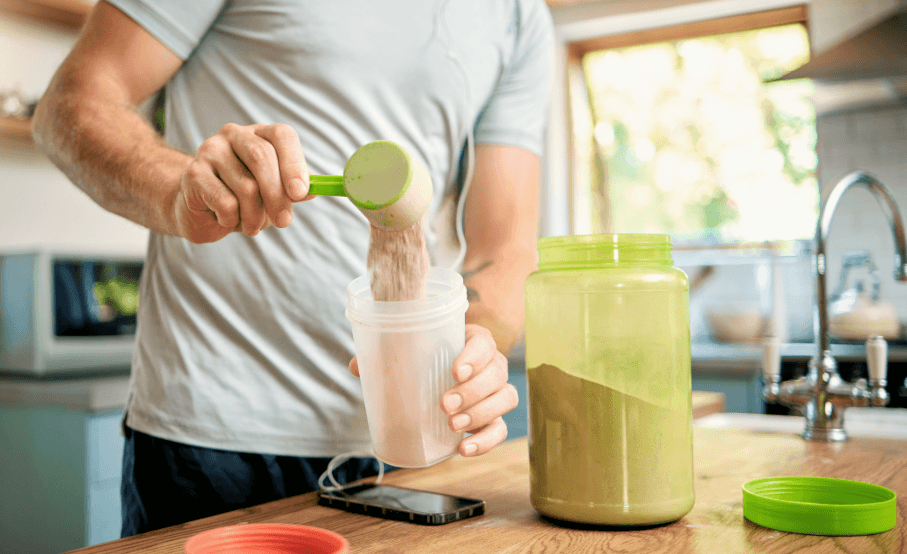
Protein has become one of the most discussed aspects of everyday nutrition, and for good reason. It plays a central role in muscle maintenance and repair, satiety, metabolic function, and the structural integrity of virtually every tissue in the body. For people who exercise regularly, are managing weight, or are focused on aging well, ensuring adequate protein intake is a genuine priority. A pea protein shake offers a convenient, clean, and effective way to fill the gaps that whole food intake sometimes leaves.
Pea protein has had a significant image transformation over the past several years. Once seen as a lesser substitute for dairy-derived whey, it is now recognized in its own right as a high-quality protein source with a strong amino acid profile, good digestibility, and broad suitability for different dietary needs.
The Nutritional Profile of Pea Protein
Pea protein is derived from yellow split peas and provides a notably complete amino acid profile compared to many other plant sources. It is particularly high in branched-chain amino acids, including leucine, isoleucine, and valine. Leucine is the amino acid most directly implicated in triggering muscle protein synthesis, which is why higher-leucine proteins have historically been favored in performance nutrition.
Research published in peer-reviewed journals comparing pea protein to whey protein supplementation in resistance-trained individuals has found no significant difference in gains in muscle thickness or strength over eight to twelve weeks when protein doses were matched. This has helped establish pea protein as a legitimate option for people who want performance-grade protein without dairy.
Who Benefits Most
Pea protein is particularly well suited for people who avoid dairy, those with lactose intolerance, individuals with soy allergies (pea protein is soy-free), and anyone looking to reduce animal products in their diet without compromising nutritional quality.
Older adults focused on muscle maintenance as part of healthy aging represent another group where adequate protein intake matters significantly. Sarcopenia, the age-related loss of muscle mass, accelerates when protein intake is insufficient. Higher protein targets, often in the range of 1.2 to 1.6 grams per kilogram of body weight daily, are commonly recommended for adults over 50.
Active individuals of any age who struggle to hit protein targets from whole food sources alone use shakes as a practical bridge. A serving at breakfast, post-workout, or as a filling afternoon snack helps distribute protein intake across the day, which supports muscle protein synthesis more effectively than consuming the same total protein in one or two meals.
What to Look for in a Pea Protein Shake
Not all products in this category are equal. The protein content per serving, the amino acid breakdown, the ingredient list, and third-party testing for contaminants all vary. Pea protein naturally accumulates minerals from soil, which makes testing for heavy metals such as lead and cadmium a meaningful quality indicator.
Products using natural sweeteners with a clean ingredient profile are preferable for daily use compared to those relying on artificial sweeteners or large quantities of added sugar. Unflavored and vanilla options are the most versatile for incorporating into recipes, smoothies, or plain mixing with water or plant milk.
See also: Ivim Health: A 2026 Patient-Side Review
FAQ
Can pea protein replace all dietary protein sources? It can contribute substantially to daily protein needs but works best as part of a varied diet that includes whole food protein sources. No single source covers all nutritional bases, and dietary diversity has benefits beyond just protein.
Does pea protein cause digestive issues? Pea protein is generally well tolerated and less likely to cause bloating than whey or casein protein in people who are sensitive to dairy. Some individuals may experience mild gas initially when introducing it, which typically resolves with continued use.
How does pea protein compare to brown rice protein? Pea protein tends to be higher in lysine, while rice protein is higher in methionine and cysteine. Products that blend both cover a broader amino acid profile than either source alone.
Is pea protein suitable for people with kidney concerns? People with kidney disease should work with their healthcare provider on protein intake from all sources, including supplements. For healthy individuals, pea protein presents no special kidney concerns.
How much protein should a shake provide per serving? A serving of 20 to 25 grams is a common and effective dose for supporting muscle protein synthesis. Lower doses still contribute to daily totals but may not fully activate the synthesis response on their own.




 Hidden Coastal Escapes with the Best Fujairah Hotels for a Peaceful Getaway