

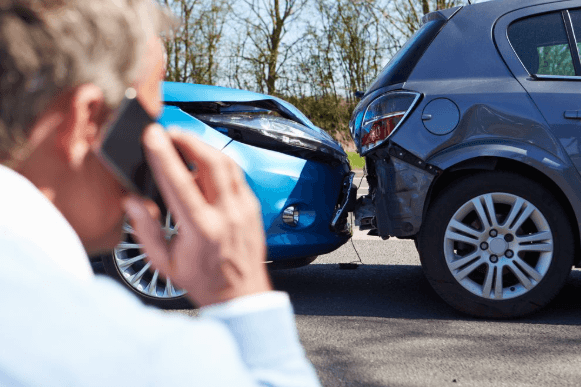
Accident scenes rarely stay intact for long. Vehicles are moved, wet flooring dries, bruising spreads, and stress can blur details that seemed clear minutes earlier. Careful evidence collection gives later decisions a firmer clinical and factual base. It helps connect impact forces, visible injury, treatment needs, and financial loss. The purpose is simple: preserve what the scene can still show before cleanup, repairs, weather, or fading memory changes the record.
First Minutes
Right after a crash, the body may be flooded with adrenaline, which can dull pain and narrow attention. Calm documentation helps protect facts before they disappear. In Florida injury matters, early guidance from Blakeley personal injury lawyers often centers on preserving scene details, witness information, and injury signs before memory shifts, swelling increases, or property gets removed.
Names and Roles
Every person present may hold part of the timeline. Drivers, passengers, lifeguards, boat operators, property staff, and bystanders should be identified by full name and role. Their location also matters. A note about where someone stood can later explain visibility, reaction time, warning access, or control over a dangerous condition.
Photos Before Movement
Images should be taken before anything is moved, cleaned, repaired, or discarded. Wide shots show lane position, lighting, water depth markers, warning signs, flooring, stairs, and surrounding hazards. Closer photos can record torn clothing, cracked plastic, broken rails, blood spots, or skid marks. A clear sequence from several angles usually carries more value than one dramatic image.
Visible Injuries
Injuries can change quickly after impact. Bruising may deepen as blood leaks into tissue, swelling can increase with inflammation, and abrasions may fade after washing. Photos should be taken in steady light, then repeated over the next several days. Original image files are important because timestamps and location data can support medical records.
Property Damage
Damaged objects often show force, angle, and contact points. Crumpled metal, cracked helmets, bent bicycle frames, torn shoes, shattered phone glass, or broken pool steps should be photographed separately. Items should not be repaired or thrown away too soon. Clothing, safety gear, and damaged personal items can be stored in labeled bags.
Weather and Light
Environmental conditions may explain why a hazard was difficult to see or avoid. Rain, glare, standing water, rough surf, wind, heat, or dim lighting can affect balance, vision, and reaction time. A short note about temperature, surface condition, and sun position can help. Scene photos often make those conditions easier to understand later.
Digital Trails
Phones may hold useful background information beyond photographs. Original files can contain timestamps, location data, call history, messages, and movement records. Screenshots are helpful for quick review, but untouched files should be saved. Backups can be placed in secure cloud storage while the original device remains available if questions arise.
Witness Notes
Witnesses may remember sounds, timing, speed, warnings, or behavior that no camera captured. Those details fade as stress drops and daily life resumes. Short written notes or recorded statements should include date, time, contact information, and vantage point. Neutral observations usually matter more than conclusions about blame.
Official Reports
Police reports, incident forms, marina logs, lifeguard notes, and property records can create an independent timeline. Copies should be requested as soon as they are ready. Report numbers, officer names, staff names, and filing times should be kept in one place. If an error appears, supporting documents should be gathered while details remain fresh.
Medical Records
Medical documentation connects symptoms to the event. Emergency notes, imaging results, prescriptions, therapy records, discharge papers, and specialist visits should be kept in order. Follow-up care also shows whether pain, numbness, headaches, limited motion, or sleep disruption continued. Consistent records can explain how injury affected work, driving, lifting, and ordinary movement.
Expense Proof
Financial records should be saved with the same care as injury notes. Towing bills, ride receipts, medication costs, repair estimates, rental charges, medical co-pays, and missed work records all help show loss. Small costs can add up after one incident. Organized receipts make the effect easier to measure.
Secure Storage
Evidence loses strength when it becomes scattered or hard to verify. Digital copies should be backed up, labeled by date, and kept in one folder. Paper documents need dry, flat storage away from heat. A simple index can connect photos, reports, receipts, witness notes, and medical records to the same timeline.
Conclusion
Strong evidence protects facts from cleanup, delay, weather, and natural memory loss. It also helps medical providers, insurers, attorneys, and courts see how an event caused injury and expense. After any accident, the safest approach is to preserve first and sort later. Complete records can explain what happened, link symptoms to treatment, and support fair recovery long after the scene has changed.



 Why an Injury Firm’s Readiness for Trial Changes Claim Outcomes