

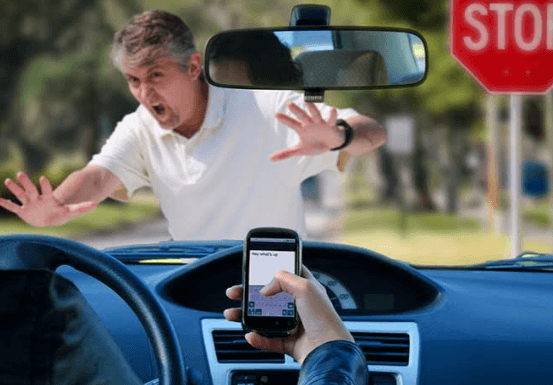
Rideshare vehicles travel through busy streets, residential areas, shopping districts, and airport corridors every day. Drivers manage navigation apps, trip requests, passenger messages, and changing traffic conditions while moving through traffic. Those tasks divide attention when pedestrians need drivers to notice a crosswalk, signal, or sudden movement. A collision can leave a pedestrian facing medical treatment, lost income, and difficult insurance questions. The steps taken after the crash can affect the resulting claim.
Why Distracted Rideshare Driving Injures Pedestrians
Pedestrians have little physical protection during a vehicle collision. Even a car traveling at a modest speed can cause fractures, head trauma, spinal damage, internal bleeding, or permanent disability. A larger vehicle can cause severe injuries when it strikes someone in a crosswalk or near an intersection. Rideshare drivers face familiar distractions, including phone alerts, navigation changes, and passenger conversations. Their work adds pressure because drivers must accept trips, locate passengers, confirm pickup points, and follow dispatch instructions. Each task can pull attention away from the roadway.
A Miami Uber accident lawyer can help an injured pedestrian examine driver conduct, insurance coverage, and evidence before records disappear. A rideshare collision often raises more questions than who caused the impact. The claim may involve a personal policy, company-related coverage, trip status, and electronic records.
How Distraction Causes A Pedestrian Collision
Visual distraction occurs when a driver looks at a phone, dashboard, passenger, or navigation screen instead of the roadway. A brief glance can cause a driver to miss someone entering a marked crosswalk or walking beside a turning lane.
Manual distraction occurs when a driver removes one or both hands from the steering wheel. Typing a destination, holding a phone, or reaching for an item reduces steering control. Those actions also delay a response when traffic changes without warning.
Cognitive distraction occurs when a driver’s attention leaves the task of driving, even when the driver’s eyes face forward. Passenger disputes, stressful trip problems, or intense conversations can reduce awareness of nearby pedestrians and traffic signals.
Turning movements create particular risks. A driver checking navigation instructions or searching for a passenger can enter a crosswalk without checking for pedestrians. Someone focused on finding a building can also stop in a travel lane or reverse toward a person.
Evidence That Can Clarify The Crash
Evidence must show what the driver did, where the pedestrian stood, and how the collision unfolded. Police reports, photographs, medical records, witness accounts, and nearby video can establish those facts.
Photographs should capture vehicle damage, the crosswalk, traffic signals, lighting, road conditions, and visible injuries. Witnesses can explain whether the driver looked down, held a phone, missed a signal, or failed to yield.
Electronic records also matter. A rideshare trip log can show whether the driver was waiting for a request, traveling to a pickup, carrying a passenger, or completing a trip. App activity, phone records, vehicle data, and onboard camera footage can establish timing.
Medical documentation connects the collision to the reported injuries. Treatment records created soon after the event describe symptoms and track later diagnoses, procedures, rehabilitation, and work restrictions. Delayed care gives an insurer more room to question an injury’s cause or severity.
Insurance And Liability Questions
Liability depends on the driver’s conduct, the pedestrian’s actions, and the driver’s status during the trip. A driver who violated a traffic signal, failed to yield, sped through an intersection, or used a phone can bear responsibility for the collision.
Rideshare insurance questions require careful review. Coverage can differ depending on whether the driver was offline, waiting for a request, traveling to a passenger, or carrying a passenger. The driver’s personal policy and company-related coverage can raise separate questions.
An insurer may request a recorded statement, medical authorization, or broad access to personal records. Injured pedestrians should avoid guessing about speed, distance, or fault. They should provide accurate information, preserve documents, and review significant communications before signing releases.
Steps To Take After A Collision
Call 911 and request medical assistance after a pedestrian crash. A police response creates an official record and allows officers to document the roadway, vehicles, witnesses, and visible injuries.
Seek medical care even when pain seems limited. Some head, spinal, and internal injuries become clearer after the initial shock fades. Follow medical instructions and document any missed appointments.
Collect the driver’s name, license plate number, insurance details, and rideshare information. Photograph the scene when safe, then record witness names and contact information. Save clothing, damaged personal items, receipts, medical bills, and records of missed work.
Avoid posting collision details online or making statements that accept blame. Contacting a qualified attorney early allows evidence requests, insurance communications, and liability questions to receive timely attention.
Conclusion
A distracted rideshare driver can cause life-changing pedestrian injuries within seconds. The claim depends on facts such as trip status, phone use, traffic signals, witness accounts, medical records, and available coverage. Injured pedestrians should report the collision, obtain medical care, preserve evidence, and avoid recorded insurance statements before reviewing the circumstances. A practical next step is to gather every crash document and request a prompt case evaluation from a qualified personal injury attorney.




 Wrongful Death Claims: Who Can File and What They Can Recover