

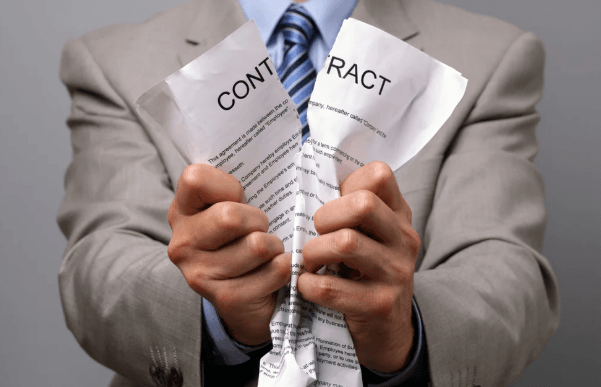
A strong breach-of-contract case begins with disciplined listening and careful proof. Counsel studies the promise, the missed duty, the financial harm, and the records linking each part. That work protects the client from vague claims, weak damages, and avoidable surprises. It also gives decision-makers a fair view of risk. With sound preparation, a business dispute becomes a focused case that a judge, jury, or mediator can follow.
Start With The Agreement
Before any filing, counsel tests whether the claim can survive court scrutiny. The review tracks the written promise, performance history, payment conduct, notices, and the remedy sought. A DMR Law civil litigation lawyer can show how civil claims progress through pleadings, hearings, discovery, and resolution.
Prove a Valid Contract
A contract claim needs more than frustration. Counsel confirms offer, acceptance, consideration, and authority to bind the parties. Signed writings usually carry the most weight, yet emails, invoices, purchase orders, and conduct can matter. Amendments and past dealings receive close review. Those details show which promise controlled performance.
Identify The Breach
The broken duty must be stated with precision. Late payment, missed delivery, rejected work, or defective service may support liability. Counsel compares actual conduct with the contract language. Broad accusations invite confusion and resistance. A narrow theory helps the court see what failed, why it mattered, and which remedy fits.
Build the Timeline
A useful timeline does more than list dates. It shows signing, performance milestones, notice deadlines, cure periods, payments, objections, and missed obligations. That sequence may expose waiver, delay, excuse, or prior breach arguments. It also steadies witness memory. Clear chronology reduces friction during discovery, motion practice, settlement talks, and trial planning.
Preserve the Records
Records often carry the case. Counsel collects agreements, drafts, messages, invoices, ledgers, delivery logs, reports, meeting notes, and accounting files. Preservation steps may be needed when evidence sits in email accounts, phones, or shared drives. Organization matters here. Well-kept proof supports consistent pleadings and reduces later fights over missing material.
Test the Defenses
Experienced counsel looks at the case from the other side early. The defense may raise prior breach, impossibility, mistake, fraud, waiver, poor mitigation, or lack of measurable loss. Each argument should be checked against documents and testimony. Finding weak points early gives the client room to adjust before costs increase.
Measure the Damages
Damages require reliable numbers. Counsel reviews unpaid balances, replacement costs, lost profits, delay losses, interest, and fee provisions. Financial proof must connect the breach to the claimed harm. Expert input may help when profit margins, market value, or operational disruption need support. Clean calculations make settlement talks more grounded.
Prepare Witness Proof
Witnesses give life to records. The firm identifies people who negotiated terms, managed performance, tracked complaints, approved payments, or calculated losses. Their accounts should match the documents whenever possible. Preparation centers on memory, accuracy, and plain answers. Steady testimony helps judges and jurors trust the contract story.
Use Procedure With Purpose
Civil procedure should serve the case theory. Pleadings frame the dispute, discovery obtains proof, motions test legal issues, and conferences narrow conflict. Requests should target documents, admissions, and testimony tied to the breach. Strong procedural choices save time. They also keep attention on liability, defenses, and damages.
Keep Settlement in View
Settlement deserves attention from the start. Clear liability evidence and reliable damages figures help both sides price risk. Counsel may use mediation, direct negotiation, or court conferences. Practical decisions should account for cost, timing, collectability, evidence strength, and business needs. Trial preparation can improve settlement options, even when no agreement is reached.
Conclusion
A breach-of-contract case succeeds through disciplined proof, not volume. Counsel must confirm the agreement, isolate the broken promise, preserve records, answer defenses, and measure losses with care. Each step should make the dispute easier to explain. When documents, witnesses, chronology, and damages point in the same direction, the claim gains force. That structure helps parties pursue fair results through negotiation, mediation, or court.



 What Evidence Can Strengthen a Workplace Injury Claim?