


A workplace injury claim rests on proof that links an accident, hazardous condition, or work duty to physical harm. Medical findings, witness accounts, photographs, employment records, and written notifications can establish that connection. Reliable evidence also shows how symptoms developed, whether treatment was necessary, and which losses followed. Prompt action matters because memories fade, footage disappears, and workplace conditions change. Organized records allow an injured worker to present a consistent account from the first report through resolution.
Why Proof Matters
Pain alone rarely explains the full effect of an occupational injury. A persuasive file connects the event with a diagnosed condition, required treatment, missed work, and reduced earnings. Skilled attorneys at well-known firms, such as Shulman & Hill lawyers, can assess available records, identify gaps, and explain which details may require additional support. Such a review may help clarify disputed facts, protect important deadlines, and prevent careless statements from creating problems during an insurance inquiry or legal assessment.
Workplace Accident Reports
An incident report creates an early account of the event. It should identify the date, time, location, assigned task, equipment involved, and symptoms noticed afterward. Before signing, the worker should check every detail for accuracy. Missing information should be corrected in writing. Copies of reports, emails, safety forms, and supervisor notifications belong in a secure personal file.
Medical Documentation
Clinical records often provide the clearest link between an accident and a physical diagnosis. Appointment notes, imaging studies, prescriptions, therapy records, surgical findings, and physician opinions may all matter. During each visit, the worker should accurately describe pain, weakness, numbness, restricted movement, and the timing of symptoms. Consistent treatment attendance also shows that the condition received appropriate medical attention.
Photographs and Video Footage
Images can preserve hazardous conditions that disappear after cleanup or repair. Useful photographs may show the full work area, floor surface, machinery, protective equipment, warning signs, and visible bruising. Several angles often provide stronger context than a single close image. Security footage may establish timing and movement. Each file should retain its original date, source, and surrounding details.
Witness Statements
People who saw the accident or its immediate aftermath may confirm important facts. Coworkers, supervisors, visitors, and customers can describe the assigned task, visible hazards, the worker’s response, and observed symptoms. Contact information should be recorded promptly while memories are still reliable. Written accounts should contain direct observations rather than assumptions. Consistent testimony may help challenge an insurer’s version of events.
Employment and Wage Records
Financial records help show the economic effect of an injury. Pay statements, tax forms, work schedules, time sheets, attendance logs, and benefit documents can establish regular earnings before the event. Employer records may also confirm job duties, worksite location, and missed shifts. A separate ledger should track unpaid hours, reduced schedules, replacement employment, transportation costs, and other related expenses.
Communication History
Texts, emails, and written notices may prove that management received timely information. Messages can document reported symptoms, requests for medical care, modified duties, leave, or workplace assistance. Original files should remain intact, with dates, sender details, and attachments preserved. Public posts require caution because photographs or comments may be viewed without the surrounding explanation or context.
Personal Injury Journal
A dated journal can capture problems that brief appointments may overlook. Entries might record pain intensity, sleep disruption, medication effects, walking limits, lifting difficulty, household restrictions, and emotional stress. Specific descriptions carry more value than dramatic language. Daily notes may also help a treating provider explain how symptoms interfere with work responsibilities and ordinary activities.
Safety Violations
Records involving training failures, defective equipment, missing guards, poor supervision, or inadequate protective gear may support a fault-based case. Prior complaints, maintenance logs, inspection forms, training rosters, and written safety rules can reveal whether a known hazard went unaddressed. Materials should be obtained lawfully and stored securely. Repeated warnings may help establish that the incident was preventable.
Digital and Physical Preservation
Important evidence may vanish after machinery is repaired, footage is overwritten, or electronic records are revised. The worker should preserve original files, retain paper copies, and avoid cropping or altering photographs. Record requests should be made promptly through proper channels. A dated folder, arranged by category, helps medical providers, insurers, and legal representatives locate essential information.
Common Evidence Mistakes
Several errors can weaken an otherwise credible case. Delayed reporting, conflicting descriptions, skipped appointments, unsupported blame, and broad signed releases may create avoidable disputes. The worker should read forms carefully and avoid recorded interviews without first reviewing the request. Settlement offers, medical authorizations, and deadline questions deserve professional consideration before any binding decision is made.
Conclusion
Strong workplace injury evidence is timely, consistent, and verifiable. Accident reports establish the event, medical files document bodily harm, and wage records show financial consequences. Photographs, witness accounts, messages, journals, and safety materials can address missing details. An injured worker should preserve original records, follow prescribed care, and communicate accurately. A well-organized file gives each case a sound basis for reviewing benefits, responsibilities, and possible financial recovery.

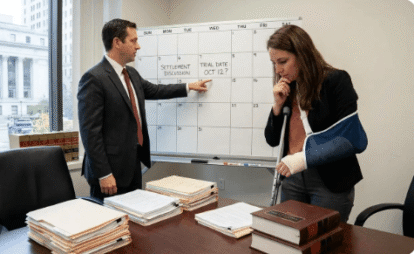


 What a Personal Injury Firm Does to Maximize a Jury Verdict Sum