

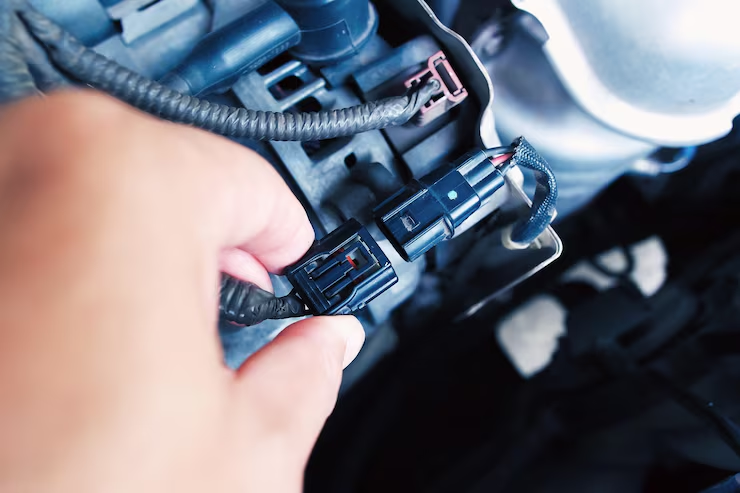
Diesel engines are widely known for their durability, strong torque output, and impressive fuel efficiency. However, many diesel vehicles leave the factory with conservative engine settings that limit their true performance potential. This is where diesel chip tuning becomes highly beneficial. Whether you own a diesel truck, SUV, commercial vehicle, or performance diesel car, chip tuning can significantly improve driving performance while optimizing fuel efficiency and engine response.
In recent years, diesel chip tuning has become increasingly popular among drivers who want better towing capability, stronger acceleration, smoother power delivery, and improved overall driving experience. Modern diesel engines are controlled electronically through advanced Engine Control Units (ECUs), which means many engine characteristics can be optimized through software adjustments rather than expensive mechanical modifications.
This guide explains everything you need to know about diesel chip tuning, including how it works, its benefits, different tuning methods, safety considerations, and how to choose the right tuning solution for your vehicle.
What Is Diesel Chip Tuning?
Diesel chip tuning is the process of modifying the software parameters inside a vehicle’s ECU to improve engine performance. The ECU controls several important functions within the engine, including fuel injection timing, turbo boost pressure, air-to-fuel ratio, throttle response, and torque management.
Vehicle manufacturers usually configure diesel engines conservatively to meet global emissions standards, fuel quality variations, and long-term reliability requirements. As a result, many diesel engines operate below their actual performance capabilities. Diesel chip tuning unlocks some of this hidden potential by recalibrating engine settings for better efficiency and power output.
In older vehicles, tuning often involved replacing physical chips within the ECU. Modern diesel vehicles typically use software-based tuning methods through ECU remapping, plug-in tuning modules, or handheld programmers connected through the OBD port.
How Diesel Chip Tuning Works
Modern diesel engines rely heavily on electronic management systems. Sensors throughout the vehicle constantly send data to the ECU, which adjusts engine operation in real time. Diesel chip tuning modifies these operating parameters to improve performance and responsiveness.
One of the most important adjustments involves fuel delivery. By optimizing fuel injection timing and quantity, the engine can generate stronger combustion and improved power output. Tuners also adjust turbocharger boost levels to increase airflow into the engine, allowing more efficient combustion and stronger acceleration.
Another important aspect of diesel chip tuning is throttle response optimization. Factory throttle settings are often designed for comfort and emissions compliance rather than immediate responsiveness. Tuning can make acceleration feel faster and smoother by reducing delays between throttle input and engine reaction.
Professional diesel tuning carefully balances these adjustments to improve performance while maintaining engine reliability and safe operating temperatures.
Benefits of Diesel Chip Tuning
Increased Horsepower and Torque
One of the main reasons drivers choose diesel chip tuning is the noticeable improvement in horsepower and torque. Diesel engines naturally produce strong low-end torque, and tuning enhances this characteristic even further. After tuning, vehicles often feel significantly more powerful during acceleration and while carrying heavy loads.
The increased torque improves pulling power and makes overtaking on highways easier and safer. Drivers commonly notice smoother acceleration and stronger engine performance across the entire RPM range. Depending on the vehicle and tuning level, diesel chip tuning can produce substantial gains without requiring major mechanical modifications.
Better Fuel Efficiency
Many drivers are surprised to learn that diesel chip tuning can also improve fuel economy. A properly optimized engine operates more efficiently because it produces power with less effort. This means the vehicle can maintain cruising speeds at lower RPMs and with reduced throttle input.
Improved torque delivery also allows the engine to work less aggressively during normal driving conditions. Drivers who spend a lot of time on highways often notice better fuel efficiency after tuning. However, driving habits play a major role in fuel consumption. Aggressive driving after tuning may reduce fuel economy despite the engine’s improved efficiency.
Improved Towing Performance
Diesel vehicles are commonly used for towing due to their high torque output. Diesel chip tuning can greatly improve towing capability by increasing low-end pulling power and improving throttle response under load. Tuned vehicles often handle steep inclines and heavy trailers more comfortably than stock vehicles.
Another benefit of tuning while towing is smoother gear shifting and reduced gear hunting. The transmission can maintain power more consistently, which improves vehicle stability and reduces engine strain during long-distance towing. For truck owners who regularly tow trailers, boats, or commercial equipment, tuning can significantly improve driving comfort and confidence.
Enhanced Driving Experience
Many diesel vehicles feel restricted from the factory because manufacturers prioritize emissions compliance and long-term durability over performance. Diesel chip tuning removes many of these limitations and creates a more responsive and enjoyable driving experience.
Drivers often notice quicker throttle response, faster turbo spool-up, and smoother acceleration immediately after tuning. The engine feels more alive and capable during both city driving and highway cruising. Even normal daily driving becomes more refined because power delivery is smoother and more consistent throughout the RPM range.
Types of Diesel Chip Tuning
ECU Remapping
ECU remapping is one of the most effective forms of diesel chip tuning. This process involves directly modifying the software inside the ECU to optimize engine performance. Professional tuners create customized tuning files based on the specific engine, vehicle setup, and driving goals.
ECU remapping provides highly precise control over engine behavior and usually delivers the largest performance gains. Because the tuning is customized, it can be optimized for fuel economy, towing, daily driving, or maximum performance depending on the owner’s needs.
Plug-In Tuning Boxes
Plug-in tuning boxes are external devices connected to engine sensors. These devices modify sensor signals before they reach the ECU, allowing changes to fuel delivery and boost pressure without directly rewriting ECU software.
Tuning boxes are popular because they are relatively easy to install and remove. Many drivers choose tuning boxes because they offer performance improvements without permanently altering factory software. Although they may not provide the same level of customization as ECU remapping, they can still deliver noticeable gains in power and responsiveness.
Handheld Performance Programmers
Handheld programmers connect to the vehicle through the OBD-II port and upload tuning files to the ECU. Many programmers allow drivers to switch between multiple tuning modes depending on driving conditions.
For example, drivers may choose between economy tuning, towing tuning, or performance tuning. This flexibility makes handheld programmers popular among diesel truck owners who use their vehicles for different purposes throughout the week.
Is Diesel Chip Tuning Safe?
Diesel chip tuning can be completely safe when performed properly by experienced professionals using high-quality tuning software. However, poor-quality tuning or excessively aggressive performance settings can increase engine wear and reduce reliability.
Professional tuning carefully manages turbo boost pressure, fuel delivery, and exhaust gas temperatures to ensure the engine remains within safe operating limits. Reliable tuning focuses on balanced performance improvements rather than chasing extreme horsepower numbers.
Poor tuning can lead to problems such as excessive black smoke, high exhaust temperatures, rough idling, and increased stress on engine components. This is why choosing an experienced diesel tuning specialist is extremely important.
Supporting Upgrades for Diesel Chip Tuning
Higher performance levels may require supporting modifications to maintain reliability and maximize results. Many tuned diesel vehicles benefit from upgraded intercoolers, performance exhaust systems, stronger clutches, and improved air intake systems.
These supporting modifications help the engine handle increased airflow and heat more effectively. Transmission upgrades may also become necessary for heavily tuned vehicles producing high torque levels.
Drivers who plan to pursue aggressive tuning should ensure the vehicle’s cooling system, turbocharger, and fuel system are in good condition before increasing power levels.
Diesel Chip Tuning and Turbochargers
Most modern diesel engines use turbochargers to improve performance and fuel efficiency. Diesel chip tuning works especially well with turbocharged engines because the ECU electronically controls boost pressure and airflow.
Tuning allows the turbocharger to build boost more quickly and efficiently, improving acceleration and reducing turbo lag. Faster turbo response creates a more immediate driving feel and stronger low-end power delivery.
However, higher boost pressure also creates additional heat, which is why professional tuning carefully monitors exhaust gas temperatures and turbocharger limits to maintain long-term reliability.
Diesel Chip Tuning for Off-Road Performance
Diesel tuning is also popular among off-road enthusiasts because diesel engines produce strong low-end torque that is highly useful in challenging terrain. Tuned diesel vehicles often perform better while climbing steep hills, driving through mud, or navigating rocky trails.
Improved throttle response and stronger torque delivery provide better control at low speeds, which is essential for technical off-road driving. Off-road drivers often appreciate the smoother power delivery and enhanced engine responsiveness created by quality diesel tuning.
Choosing the Right Diesel Chip Tuning Solution
Before tuning a diesel vehicle, drivers should carefully consider their performance goals. Some drivers prioritize fuel efficiency, while others focus on towing performance or maximum horsepower. Choosing the correct tuning solution depends on how the vehicle will be used.
It is also important to evaluate the overall condition of the vehicle before tuning. Engines with existing mechanical problems should not be tuned aggressively until maintenance issues are resolved. Regular servicing and proper maintenance remain essential after tuning to ensure long-term reliability.
Working with reputable diesel tuning professionals helps ensure safe calibration and reliable performance improvements. Experienced tuners understand how to balance power gains with engine longevity and drivability.
Final Thoughts
Diesel chip tuning is one of the most effective ways to improve diesel engine performance without extensive mechanical modifications. A professionally tuned diesel vehicle can deliver stronger acceleration, improved towing capability, better throttle response, and even enhanced fuel efficiency under normal driving conditions.
When performed responsibly, diesel chip tuning creates a more enjoyable and capable driving experience while maintaining engine reliability. Whether you drive a diesel truck, SUV, commercial vehicle, or off-road vehicle, tuning can unlock hidden performance potential and improve the way your vehicle performs every day.
Choosing quality tuning software and experienced professionals is essential for achieving safe and reliable results. With the right approach, diesel chip tuning can provide long-term benefits that enhance both performance and driving satisfaction.




 Essential Guide to Commercial Maintenance Services for Modern Businesses