

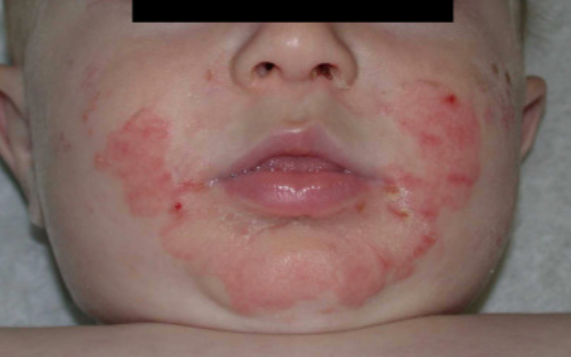
Parents often connect white patches on a child’s face with a vitamin deficiency. It is an understandable worry. Skin changes are visible, children may be picky eaters, and online searches often suggest missing nutrients as the reason behind pale patches. But vitamin deficiency and skin pigmentation are not always directly linked in the simple way parents assume. Nutritional issues can affect skin health, but white patches on a child’s face can also come from dryness, eczema-related changes, pityriasis alba, fungal infection, inflammation, or pigment disorders.
This is why proper diagnosis matters. Giving supplements without understanding the cause may not help the skin, and it may delay the right treatment.
Nutrition Does Affect Skin Health
A child’s skin needs adequate nutrition to stay healthy. Vitamins, minerals, protein, and overall diet play a role in skin repair, barrier function, healing, immune response, and pigmentation balance.
Nutrients that may influence skin and general health include:
- Vitamin B12
- Vitamin D
- Iron
- Zinc
- Folate
- Protein
- Essential fatty acids
When a child has poor nutrition, the skin may show signs such as dullness, dryness, poor wound healing, hair fall, brittle nails, cracks around the mouth, or general weakness.
But one isolated white patch does not automatically prove deficiency.
White Patches Are Not Always Nutritional
This is the most important point.
White or pale patches on a child’s face may be caused by:
- Pityriasis alba
- Dry skin
- Mild eczema
- Post-inflammatory hypopigmentation
- Fungal infection
- Vitiligo
- Sun exposure contrast
- Skin irritation
- Allergic reaction
- Healing after rash
Many of these conditions are not caused by vitamin deficiency.
For example, pityriasis alba often appears as pale, dry patches on the cheeks and is commonly seen in children with dry or eczema-prone skin. It may become more visible after sun exposure, not because the child suddenly developed a deficiency, but because the surrounding skin darkens while the patch remains lighter.
Vitamin B12 Deficiency and Pigmentation
Vitamin B12 deficiency can affect the skin in some children, though it does not always show up as facial white patches.
B12 deficiency may be associated with:
- General skin pigmentation changes
- Fatigue
- Weakness
- Poor appetite
- Mouth ulcers
- Tingling sensations in older children
- Developmental concerns in severe cases
- Hair and nail changes
In some cases, pigmentation changes may be more widespread rather than limited to a small facial patch.
If a child has white spots plus other symptoms such as tiredness, poor growth, or dietary restriction, the doctor may consider testing.
Vitamin D and Skin Health
Vitamin D is important for overall health, bone development, immune function, and general well-being. Parents often ask whether low vitamin D causes white spots.
Low vitamin D alone is not the most common explanation for isolated white facial patches. However, vitamin D status may be considered when the child has broader health concerns, limited sun exposure, dietary restrictions, bone pain, weakness, or repeated health issues.
Vitamin D should not be given in high doses without medical advice. Excessive supplementation can also cause problems.
Iron and Zinc Deficiency Can Affect Skin and Hair
Iron and zinc are important for growth, immunity, wound healing, hair health, and skin repair.
Deficiency may contribute to:
- Hair fall
- Poor healing
- Fatigue
- Cracks near the mouth
- Nail changes
- Recurrent infections
- Appetite changes
- General skin dullness
Again, these deficiencies do not automatically explain every white patch. But they may be relevant when the child has multiple symptoms or a poor diet.
A dermatologist may refer the child for nutritional evaluation when the skin finding is part of a larger pattern.
Picky Eating Can Raise Suspicion, But It Is Not Proof
Many children are picky eaters. They may avoid vegetables, milk, eggs, pulses, meat, fruits, or certain textures.
This can make parents suspect a deficiency when skin changes appear.
Diet history is useful, but it is not enough to confirm a deficiency.
A doctor may ask:
- What does the child eat daily?
- Is the child vegetarian or vegan?
- Does the child avoid major food groups?
- Is there poor weight gain?
- Are there stomach issues?
- Is there fatigue?
- Are there hair or nail changes?
- Are there frequent infections?
If the history supports concern, testing may be advised. If not, the white patch may have a more direct skin-related cause.
Supplements Should Not Replace Diagnosis
Parents often start multivitamins as soon as white patches appear. This may feel harmless, but it can create two problems.
First, supplements may not help if the cause is eczema, pityriasis alba, fungal infection, or vitiligo.
Second, parents may delay proper care while waiting for supplements to “work”.
Supplements should be used when there is a genuine deficiency, dietary risk, or doctor’s recommendation.
They are not a universal treatment for every colour change on a child’s face.
Skin Barrier Problems Can Look Like Pigmentation Problems
Dryness and mild inflammation can make skin appear lighter.
This happens because affected skin may become rough, flaky, or less evenly pigmented while healing. The patch may look white, but the underlying issue may be barrier weakness or eczema tendency.
In these cases, treatment may involve:
- Gentle cleanser
- Regular moisturiser
- Sun protection
- Avoiding harsh soaps
- Managing eczema if present
- Stopping irritants
A vitamin tablet will not repair the skin barrier if the real problem is irritation.
Post-Inflammatory Hypopigmentation Can Be Mistaken for Deficiency
After a rash, bite, scratch, burn, eczema flare, or infection heals, the skin may look lighter for some time. This is post-inflammatory hypopigmentation.
Parents may not always remember the original rash because the colour change appears later.
This condition often improves gradually as the skin repigments, but it can take time.
The key is to identify whether there was previous inflammation. If so, the dermatologist may focus on preventing further irritation rather than giving supplements alone.
Vitiligo Is Not Caused by Simple Vitamin Deficiency
Vitiligo is often feared when parents see white patches. It is not simply caused by one missing vitamin.
Vitiligo involves loss of pigment due to melanocyte dysfunction. It may have immune-related associations and can progress differently in different children.
Signs that need dermatological evaluation include:
- Bright white patches
- Sharp borders
- Spread over time
- Patches around the eyes or mouth
- White hair within the patch
- Family history of vitiligo or autoimmune conditions
Supplements do not replace vitiligo evaluation or treatment.
When Nutritional Testing May Be Considered
A doctor may consider nutritional testing when white patches appear alongside other concerns.
These may include:
- Fatigue
- Poor appetite
- Poor growth
- Hair fall
- Nail changes
- Mouth ulcers
- Recurrent infections
- Restricted diet
- Developmental concerns
- Generalised pigmentation changes
- Digestive issues
Testing is more useful when it is guided by symptoms and examination.
Random testing for every child with mild pale patches may not be necessary.
What Parents Can Do at Home Safely
While waiting for a consultation, parents can focus on gentle care.
Safe steps usually include:
- Use a mild cleanser
- Avoid scrubbing the patch
- Apply a gentle moisturiser
- Use sunscreen during outdoor exposure
- Avoid steroid creams unless prescribed
- Avoid fairness creams
- Do not apply lemon, toothpaste, or harsh remedies
- Note whether the patch is spreading
- Take photos to track change
- Observe for itching, scaling, or redness
These steps are unlikely to harm and may help if dryness is contributing.
Diet Still Matters
Even when white patches are not directly caused by a vitamin deficiency, diet still matters for a child’s overall skin and health.
A balanced diet may include:
- Protein-rich foods
- Fruits
- Vegetables
- Whole grains
- Pulses
- Nuts or seeds were age-appropriate
- Dairy or alternatives
- Iron-rich foods
- Adequate hydration
Parents should focus on long-term nutrition rather than panic-based supplementation.
If the child has a very restricted diet, a paediatrician can guide safe correction.
Why Dermatology and Paediatrics May Work Together
Sometimes, a dermatologist may identify the skin condition directly. Other times, the child’s broader health history may require paediatric input.
This is especially useful when there are:
- Growth concerns
- Fatigue
- Repeated illness
- Digestive symptoms
- Nutritional restriction
- Developmental concerns
- Multiple deficiency signs
Skin findings can sometimes be one clue among many. Collaborative care helps ensure the child is assessed properly.
Questions Parents Should Ask
During consultation, parents can ask:
- Is this patch related to a vitamin deficiency?
- What is the most likely diagnosis?
- Does my child need blood tests?
- Is this condition common in children?
- Is it contagious?
- Will the colour return?
- Should we use moisturiser or sunscreen?
- Are supplements needed?
- What should we avoid applying?
- When should we follow up?
Clear answers help prevent unnecessary worry.
Warning Signs That Need Review
Parents should seek dermatological attention if:
- Patches spread
- New patches appear
- Borders become sharply defined
- Patches become bright white
- The child has itching or scaling
- The patch persists for months
- There is hair whitening within the patch
- The child has other health symptoms
- Home care does not help
- The child becomes distressed
Early review helps separate nutritional concerns from skin-specific conditions.
Final Word
Nutritional deficiencies can affect children’s skin, but they are not the only reason white patches appear on the face. Dryness, pityriasis alba, eczema-related changes, fungal infection, post-inflammatory hypopigmentation, and vitiligo can also cause pale or white areas.
Vitamin deficiency and skin pigmentation should be assessed carefully rather than assumed. Supplements may help only when a deficiency is actually present. They will not fix every white patch.
The safest approach is diagnosis first, treatment second. A dermatologist can assess the patch, consider the child’s diet and health history, and decide whether nutritional testing, skin treatment, or simple, gentle care is needed.


 Teen Mental Health in Boise: Why Early Intervention Changes Everything