

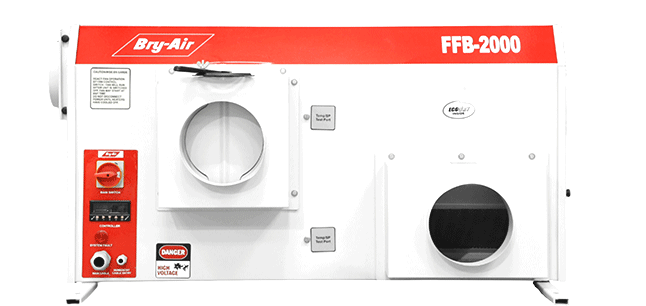
Understanding the Growing Need for Dehumidification
Industrial environments require precise control over various atmospheric conditions to maintain efficiency and product quality. Among these factors, humidity plays a crucial role that is often underestimated. Excess moisture in the air can disrupt processes, damage equipment, and reduce overall productivity.
In regions with fluctuating climate conditions, maintaining optimal humidity levels becomes even more essential. Industries rely on advanced systems like dehumidifier india solutions to ensure consistent environmental control. These systems are engineered to manage moisture effectively across a wide range of applications, supporting both operational stability and long term performance.
Humidity control is not only about comfort or basic air quality. It is directly linked to efficiency, reliability, and sustainability in industrial operations.
How Humidity Affects Industrial Operations
Equipment Performance Issues
Excess humidity can lead to condensation on machinery and critical components. This moisture buildup can interfere with the functioning of equipment, leading to inefficiencies and potential failures.
Over time, continuous exposure to moisture can accelerate wear and tear, increasing maintenance requirements and reducing the lifespan of equipment.
Product Quality Concerns
Many industrial processes depend on stable environmental conditions to ensure consistent output. High humidity levels can alter material properties, leading to variations in quality.
Controlling moisture helps maintain uniformity in production, ensuring that products meet required standards.
Operational Inefficiencies
Uncontrolled humidity can disrupt workflows by introducing variability into the environment. This can result in delays, increased downtime, and reduced overall efficiency.
Maintaining balanced humidity levels supports smooth operations and minimizes interruptions.
The Working Principle of Air Dehumidifiers
Moisture Extraction Process
Dehumidifiers are designed to remove excess moisture from the air. They work by drawing in humid air, extracting water vapor, and releasing dry air back into the environment.
Different technologies are used depending on the application. Some systems rely on refrigeration methods, while others use desiccant materials to absorb moisture.
Continuous Environmental Control
Modern systems are equipped with sensors and automated controls that monitor humidity levels in real time. These systems adjust their performance based on environmental conditions, ensuring consistent results.
Advanced solutions like air dehumidifier systems are capable of maintaining precise humidity levels even in demanding industrial settings.
Integration with Existing Systems
Dehumidifiers are often integrated with other environmental control systems such as ventilation and air conditioning. This ensures a comprehensive approach to managing indoor conditions.
Seamless integration allows for efficient operation without the need for extensive modifications.
Benefits of Using Dehumidifiers in Industrial Settings
Improved Energy Efficiency
By controlling moisture levels, dehumidifiers reduce the strain on other systems such as cooling units. This leads to lower energy consumption and improved overall efficiency.
Enhanced Equipment Longevity
Reducing exposure to moisture helps protect machinery from corrosion and damage. This extends the lifespan of equipment and reduces maintenance costs.
Consistent Production Quality
Stable humidity levels ensure that materials and processes remain consistent. This leads to higher quality output and fewer defects.
Better Workplace Environment
Although the primary focus is on industrial efficiency, maintaining proper humidity levels also contributes to a more controlled and stable working environment.
Types of Dehumidifiers Used in India
Desiccant Dehumidifiers
Desiccant systems are widely used in industrial applications due to their ability to operate effectively across a range of temperatures. They use moisture absorbing materials to remove humidity from the air.
These systems are particularly suitable for environments that require low humidity levels.
Refrigeration Based Dehumidifiers
Refrigeration systems work by cooling air to condense moisture, which is then removed. These systems are commonly used in moderate temperature environments.
However, their efficiency may vary depending on specific conditions.
Hybrid Systems
Hybrid systems combine different technologies to provide enhanced performance. These systems are designed to adapt to varying environmental conditions and offer greater flexibility.
Factors to Consider When Choosing a Dehumidifier
Capacity and Coverage
The size of the area and the level of humidity determine the capacity required for a dehumidifier. Selecting the right capacity ensures effective performance.
Energy Consumption
Energy efficiency is a critical factor in industrial operations. Choosing a system that balances performance with energy usage can lead to significant savings.
Maintenance Requirements
Systems that are easy to maintain and operate contribute to smoother operations. Regular maintenance ensures consistent performance over time.
Environmental Conditions
Different industries have unique environmental requirements. Selecting a dehumidifier that meets specific conditions is essential for optimal results.
Integration of Dehumidifiers with Industrial Systems
Automation and Smart Controls
Modern dehumidifiers are equipped with automated controls that allow for precise monitoring and adjustment. This ensures consistent humidity levels without manual intervention.
Data Driven Performance Optimization
Advanced systems use data analytics to monitor performance and identify areas for improvement. This helps optimize efficiency and reduce operational costs.
Scalability and Flexibility
As industrial needs evolve, dehumidification systems should be able to scale accordingly. Flexible solutions allow for expansion without compromising performance.
Emerging Trends in Dehumidification Technology
Energy Efficient Innovations
Technological advancements are focused on reducing energy consumption while maintaining high performance. Improved designs and materials contribute to greater efficiency.
Smart Monitoring Systems
The integration of smart technologies enables real time monitoring and control. This enhances reliability and allows for proactive maintenance.
Sustainable Solutions
Sustainability is becoming increasingly important in industrial operations. Dehumidification systems are being designed with eco friendly features to reduce environmental impact.
Conclusion
Dehumidifiers play a vital role in enhancing industrial efficiency by maintaining optimal humidity levels. From protecting equipment to ensuring consistent product quality, the benefits of effective moisture control are significant.
Investing in advanced dehumidification systems allows industries to improve performance, reduce costs, and maintain reliable operations. For organizations looking to implement efficient humidity control solutions, reaching out through Contact Us can provide access to expert guidance and tailored solutions for specific industrial needs.




 Upgrade Your Experience with Professional Audio Video Setup