

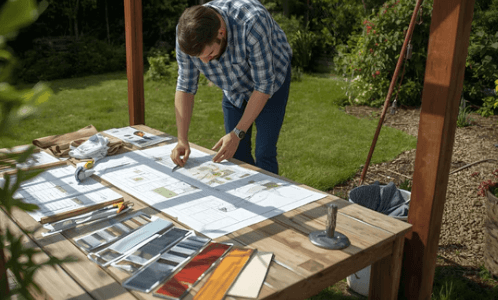
When designing an outdoor space for your property, you need to consider more than just aesthetics. You also need to consider things like durability, maintenance, and long-term value. Based on these considerations and more, timber and aluminium structures are the two types of structures that often come to mind. While both types of structures have their advantages and disadvantages, the final choice ultimately depends on what you need and what you’re looking for in an outdoor structure. In this post, we’ll take a look at the differences between timber and aluminium structures to help you decide which material truly delivers the best value for your long-term outdoor living project.
Aluminium vs. Timber: The Comparison
As we mentioned in the beginning, both aluminium and timber offer their fair share of advantages and disadvantages when selecting them as construction material. Let’s take this opportunity to compare and contrast both materials based on a number of key factors.
Durability and Water Resistance
When it comes to durability and water resistance, aluminium is the clear winner. Aluminium is naturally rust-resistant, termite-proof, and highly resistant to moisture. This makes aluminium beams and other structures the ideal choice for constructions in humid, tropical, and coastal environments. On the other hand, wood can warp, crack, and decay over time. Plus, when termites come, it’s very hard to get rid of them.
Maintenance and Long-Term Upkeep
Maintenance and long-term upkeep are some of the most important factors considered by homeowners and builders alike. Compared to wood, aluminium requires minimal upkeep, as it does not require constant repainting, sealing, or chemical treatments. An occasional cleaning is more than enough to keep your aluminium structures looking new. As a result, homeowners can save a lot of money on repairs in the long run.
On the other hand, timber demands constant upkeep to protect it from pests and the elements. While timber can initially seem like a cost-effective option, you will find yourself spending more on repairs and maintenance in the long run.
Aesthetic Appeal and Design Flexibility
When it comes to visual appeal, both timber and aluminium have their charms; it’s a matter of what design you want to bring to life. If you’re looking to create a sleek, contemporary design, then aluminium structures are the way to go. Aluminium pergolas, with their clean lines and minimalist profile, are one of the best examples of this philosophy.
On the other hand, timber brings a natural warmth and timeless feel that is hard to replicate. They are a must for traditional or heritage-style constructions where you want the construction to blend with the surroundings. The organic texture and grain create a more rustic and softer tone.
Cost Comparison: Short-Term vs. Long-Term Value
When comparing costs, you must look past the initial installation price. Timber can often appear as the budget-friendly option. This makes it perfect for short-term projects with limited budgets. However, in the long term, when you consider the constant repairs and maintenance that it comes with, it’s clear how the costs can add up.
On the other hand, aluminium structures will come with a higher initial price tag. But once the installation is complete, you don’t need to worry about them for a long time. You can use a tool like our deck calculator to estimate the material project costs, giving you a clearer picture about which material is the best for your project.
Sustainability and Environmental Impact
From a sustainability perspective, both aluminium and timber are good choices. However, their long-term impact will be different. On the one hand, aluminium is highly recyclable and exceptionally long-lasting. In fact, many agree that aluminium is one of the few materials worth recycling. But thanks to its longevity, replacements will be few and far between, reducing overall material consumption.
On the other hand, wood is also a renewable material when it is sourced responsibly. However, the shorter lifespan means frequent replacements, which increases the environmental impact over time.
Which Should You Choose?
The choice between the two materials will depend on your priorities and long-term goals. Aluminium would be the ideal choice if you’re looking for long-term durability, minimal maintenance, and a sleek minimalist design. On the other hand, timber is the best choice if you’re budget-conscious, it’s a short-term project, or your preference is a traditional, natural look. At the end of the day, the choice is yours.
Conclusion
When it comes to creating outdoor spaces that look amazing and stand the test of time, then you have a choice between timber and aluminium. Based on factors like durability, maintenance, aesthetics, and sustainability, aluminium is the superior choice, but there are times when timber shines. At the end of the day, the choice between the two materials is entirely yours to make.
If you’re ready to start your next outdoor construction project, then Spanmor is here to help. We have years of experience in the home improvement industry and take pride in producing designs made from high-quality Australian-made aluminium. By choosing Spanmor, not only are you investing in quality but also in the future of Australian-made innovation. Ready to get started? Getting in touch with us today!

 What to Check Before Choosing Around How Can I Get Mounjaro Cheaper without Insurance in 2026