


Catastrophic truck crashes can leave people with spinal injuries, brain trauma, permanent disability, or fatal losses. A claim can cover far more than emergency treatment, but compensation depends on proof, liability, insurance, and applicable filing deadlines. Determining a case’s full value requires a careful assessment of financial losses, personal harm, and future needs. Several legal and practical steps shape that assessment, beginning with the damages available under state law.
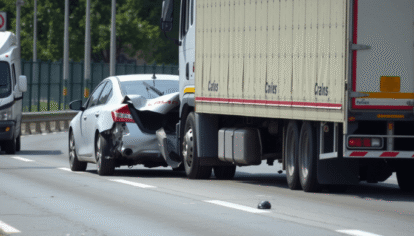
A claim begins by identifying each responsible party. A truck driver, trucking company, vehicle owner, or maintenance contractor could share liability, depending on evidence. Dispatch logs, inspection files, electronic driving data, photographs, and witness accounts can clarify the event. In cases involving catastrophic wrecks, that evidence connects the collision to claimed losses. Early preservation requests protect records that routine policies could erase.
What Damages Can a Claim Include?
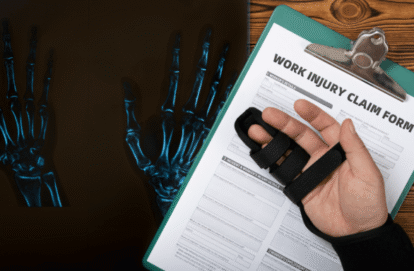
Economic damages cover losses with a documented financial value. These losses often include hospital bills, rehabilitation, prescription medication, medical equipment, lost wages, reduced earning capacity, and necessary changes to a home or vehicle.
Future costs require careful projections. A person with a permanent injury could need continuing therapy, attendant care, mobility equipment, or repeated procedures. A damages assessment should account for those expenses, along with expected income losses over the person’s remaining working years.
Non-economic damages address harm that invoices cannot measure. Florida injury claims can involve pain and suffering, emotional distress, disfigurement, disability, and the loss of normal activities. The available amount depends on the evidence and the legal rules governing the claim.
A fatal collision creates a separate wrongful death claim. Eligible survivors could seek funeral expenses, lost financial support, lost companionship, and other damages recognized by the law. The estate’s personal representative generally handles that action.
How Liability Determines Recovery
Serious injuries alone do not establish liability. The claimant must connect the crash to a negligent or otherwise legally responsible act. Examples include speeding, distracted driving, impaired driving, unsafe loading, inadequate maintenance, or violations of hours-of-service rules.
Multiple parties can share responsibility. A company could face liability for an employee’s conduct, while a maintenance provider could face responsibility for defective repairs. The available evidence determines how fault is divided and which insurance policies apply.
Florida uses a modified comparative negligence system. A claimant whose share of fault exceeds 50 percent cannot recover damages. If the claimant bears 50 percent or less, the award is reduced by that percentage, so evidence about the claimant’s conduct matters.
Why Future Losses Need Detailed Proof
Catastrophic injuries often change a person’s work capacity, daily routines, and need for assistance. Medical records alone do not always show the full financial effect. Doctors, vocational professionals, economists, and life-care planners can document future treatment, lost income, and necessary services.
A life-care plan can list projected medical care, equipment, therapy, and personal assistance. A vocational assessment can compare the person’s pre-crash earning ability with realistic post-injury employment. These evaluations help calculate losses that have not occurred yet.
What Can Reduce or Delay Compensation?
Insurance companies examine liability, medical history, treatment decisions, and the claimed losses. Gaps in treatment, inconsistent statements, or missing records can create disputes about the injury’s cause and severity. Prompt medical care and organized documentation help preserve a clear claim.
Florida also imposes filing deadlines that vary by claim type and circumstances. Missing the applicable deadline can prevent recovery, regardless of injury severity. A claimant should identify the deadline early, preserve evidence, avoid recorded statements without legal guidance, and track every crash-related expense.
A settlement should reflect documented past losses and reasonably supported future harm. Accepting an early payment before the long-term medical outlook becomes clear can leave an injured person responsible for later expenses. Legal review helps determine whether the proposed amount accounts for the full claim.
Conclusion
Victims of catastrophic wrecks can seek compensation for medical care, lost income, future needs, pain, disability, and other legally recognized losses. To recover the full value, you must prove a clear connection between the collision and each claimed expense and injury. The practical next step is to preserve vehicle, company, medical, employment, and insurance records before they disappear. A prompt case assessment also identifies responsible parties, calculates future losses, and protects the filing deadline that controls the claim.


 Why a Truck Accident Lawyer Understands Federal Trucking Rules