

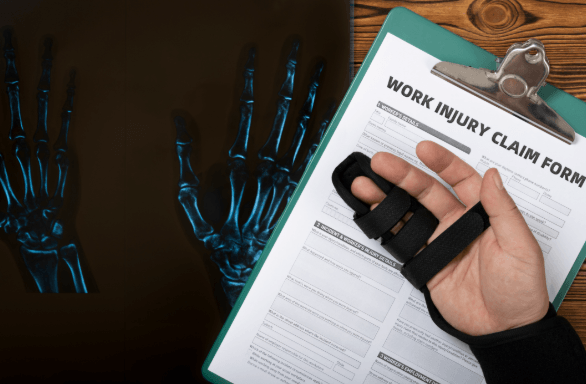
A thorough personal injury investigation does more than collect an accident report and medical bills. It tests how the incident happened, identifies every responsible party, and documents how injuries changed daily life. Prompt work also protects evidence that disappears, memories that fade, and deadlines that narrow legal options. A careful investigation gives a claim factual structure before negotiations begin, starting with the incident itself.
The first review should record the date, location, vehicles, weather, road conditions, and statements from everyone involved. A local attorney explains Georgia filing deadlines and the records needed to support a claim. An Alpharetta personal injury lawyer begins by organizing those facts into a usable case file, then testing each detail against available evidence. That process keeps early assumptions from influencing later decisions.
1. Establish the Incident Record
Investigators should build a clear timeline before accounts become inconsistent. The file should include photographs, police reports, witness contact details, traffic citations, and descriptions of the scene. Vehicle damage and injury patterns should match the reported sequence of events.
A timeline also identifies gaps that require follow-up. For example, a witness may remember the impact but not what happened right before it. Phone records, dispatch logs, traffic-camera footage, or nearby security video can help clarify those missing moments.
2. Preserve Evidence Before It Disappears
Physical and electronic evidence often requires immediate attention. Skid marks fade, damaged property changes, and surveillance systems overwrite recordings. A thorough investigation identifies who controls each record and sends preservation requests before material is lost.
Vehicle data, maintenance records, inspection documents, and photographs can answer questions that witness memories cannot. A careful review also examines whether a property owner, employer, contractor, or equipment manufacturer has relevant information.
3. Connect Medical Findings to Daily Losses
Medical documentation should remain consistent from the first examination through later treatment. The file should include diagnoses, imaging results, prescriptions, therapy notes, restrictions, referrals, and opinions about future care.
Bills alone do not describe how an injury affects ordinary activities. Wage statements, missed-work records, household responsibilities, and treatment-related travel help document financial losses. Notes about sleep disruption, reduced mobility, or difficulty completing routine tasks add practical detail to the claim.
Treatment gaps deserve attention as well. An insurer may question delayed care without knowing whether transportation problems, work demands, cost, or worsening symptoms caused the delay. Investigators should document the reason rather than leave the gap unexplained.
4. Test Liability and Shared Fault
Fault should never rest on a single statement. Investigators should compare witness accounts with photographs, measurements, medical findings, vehicle damage, and available records. Conflicting details often reveal whether another party shares responsibility.
Road design, poor maintenance, employer policies, unsafe property conditions, phone use, and prior complaints may affect the analysis. The investigation should examine each possibility before assigning blame. In Georgia cases, a careful fault analysis also helps address arguments that the injured person was liable.
This review protects against premature settlement decisions. An early offer may appear reasonable before the file includes all responsible parties or the full medical picture. A complete liability analysis gives the claimant better information before accepting or rejecting compensation.
5. Prepare a Claim for Negotiation
A demand package should present facts in an order that an adjuster, attorney, or court can follow. It should explain the incident, liability evidence, treatment history, financial losses, ongoing limitations, and requested compensation.
Every major statement should connect to supporting documentation. A medical restriction should match a provider record, while a wage claim should match payroll or employment documents. This reduces confusion and makes missing proof easier to identify.
Trial preparation also affects negotiation quality. A file built with witness statements, exhibits, photographs, records, and a consistent chronology gives the claimant more choices. The case may not reach trial, but preparation should account for that possibility.
Conclusion
A thorough personal injury investigation creates a reliable record before evidence, memories, and medical details become harder to obtain. The process should establish what happened, preserve proof, connect treatment to losses, test every liability theory, and organize the claim for negotiation. Injured people should ask whether their legal counsel has completed each step and identified every unresolved question. That checklist provides a practical next step: gather missing records and request a documented case review before discussing settlement.




 How To Read an Attorney Profile Before Choosing Legal Representation