

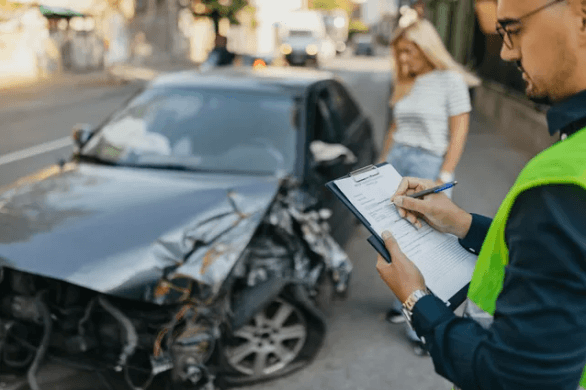
Distracted driving can turn a disputed collision into a documented sequence of events. Phone records, traffic footage, witness accounts, vehicle data, and online activity may show where a driver looked, how long attention shifted, and why a response came too late. Each source can clarify fault, timing, and injury causation. Early documentation also protects information that may disappear, while medical records establish the physical and financial consequences of the impact.
Why Phone Use Matters
Phone use can involve texting, reading alerts, checking directions, browsing content, or handling a call. A driver who looks down for several seconds may cross a lane, miss a signal, or fail to brake before impact. A West Palm Beach car accident attorney from SKG can review available records, identify missing evidence, and connect attention failure with the collision. That connection may influence liability findings, settlement discussions, and courtroom testimony.
Common Forms of Distraction Evidence
Phone And App Records
Mobile carrier records may show calls, messages, and data transfers near the crash time. Application records can reveal messaging, video viewing, navigation, or social activity. Investigators compare those timestamps with emergency calls, traffic footage, and vehicle movement. One entry may prove little by itself. Several matching records can establish a persuasive timeline, particularly when they align with witness observations or impact evidence.
Camera Footage
Traffic signals, storefronts, homes, buses, and nearby vehicles may record the seconds before impact. Video can show a driver holding a phone, lowering the head, drifting across a lane, or ignoring stopped traffic. Even a short clip may challenge a denial. Prompt action matters because many recording systems overwrite stored footage after a limited retention period.
Witness Statements And Scene Details
Witnesses may describe head position, hand placement, lane movement, and delayed reactions. Their accounts carry greater weight when collected soon after the collision, while memories remain fresh. Scene investigators also examine skid marks, impact locations, debris, vehicle positions, and roadway conditions. These details can reinforce an eyewitness account by showing that enough distance existed for a reasonable driver to respond.
Vehicle Data And Crash Timing
Some vehicles store speed, braking, steering, seatbelt, and impact information. Event data recorders may show whether braking began before contact and how force changed during the incident. Telematics systems might provide location or movement details, subject to privacy requirements. Analysts compare these findings with phone activity and witness reports. The combined record may show whether attention shifted away from traffic at a critical moment.
Establishing Fault In Court
A civil claim generally requires proof of duty, breach, causation, and measurable harm. Distracted driving evidence may establish the breach, while medical records and collision analysis address causation. Insurers sometimes blame another vehicle, road condition, weather, or the injured person. A carefully documented timeline helps separate supported explanations from speculation and shows how the driver’s conduct contributed to the event.
Preserving Digital Records
Electronic evidence may disappear through automatic deletion, account changes, phone replacement, or routine business practices. A formal preservation request can help prevent the loss of relevant material. Legal teams may seek carrier records, device information, vehicle data, surveillance video, and platform records through authorized procedures. Collection methods should also be documented, including access dates, file condition, and the identity of each person handling the material.
Avoiding Weak Evidence
Finding a phone inside a vehicle does not establish active use during impact. A witness assumption may also lack value if the person had no clear view of the driver. Screenshots can create questions when original records are unavailable or altered. Reliable claims distinguish confirmed facts from opinions. Each item should identify its source, creation date, collection method, and connection to the collision.
How Distraction Affects Damages
Attention failure may support compensation for emergency treatment, surgery, medication, rehabilitation, lost income, reduced earning capacity, pain, and lasting limitations. Serious trauma can also affect sleep, mobility, household duties, concentration, and family relationships. Medical documentation should connect each condition with the crash. Wage records, employer statements, treatment notes, and qualified opinions provide measurable support for the requested amount.
Insurance Negotiations And Trial Preparation
Insurance carriers often examine distraction allegations before making settlement offers. Strong documentation may improve negotiation strength, although value depends on fault, injury severity, policy limits, and available proof. If settlement efforts fail, organized evidence allows a judge or jury to follow the event sequence. A dated timeline, witness list, medical file, and digital record index can keep testimony focused and credible.
Conclusion
Distracted driving becomes persuasive proof when separate sources support one consistent account. Phone activity, video, witness observations, vehicle data, and scene findings can show where attention shifted and how that lapse caused impact. Preservation should begin quickly because electronic material may vanish without notice. Injured people also benefit from prompt treatment, accurate reporting, and organized records. A clear factual file gives legal counsel a stronger basis for pursuing fair compensation after a preventable collision.



 How Installing Honed Limestone Floor Tile Elevates Modern Interiors