

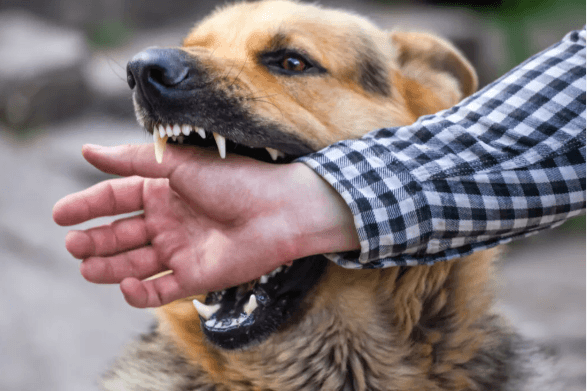
A dog bite leaves parents with urgent questions while a child may be bleeding, crying, or in shock. The first minutes should center on safety, wound care, and accurate records. Even a small puncture can carry bacteria into deeper tissue. Prompt action lowers infection risk, supports healing, and preserves facts before memories shift. A steady plan helps families protect health, comfort, and legal options from the beginning.
Get Medical Care
A bite can appear minor while teeth have crushed fat, muscle, tendon, or small blood vessels below the surface. Same-day medical care links the injury to the incident and gives clinicians time to assess infection risk. After immediate treatment, parents may contact a dog bite lawyer at Texas Law Dog if bills, scarring, or liability questions arise from the attack.
Stop Bleeding Safely
An adult should wash hands, cover the wound with clean gauze, and hold gentle pressure. Heavy bleeding, torn skin, face wounds, or bites near joints need urgent care. Scrubbing can drive pain higher and disturb damaged tissue. A clinician can decide whether sutures, antibiotics, tetanus protection, or imaging are needed.
Clean The Wound
Running water helps remove saliva, dirt, and loose debris before a doctor examines the area. Mild soap can clean nearby skin without irritating exposed tissue. Peroxide, alcohol, or strong cleansers may slow healing. A loose sterile dressing protects the site during travel. Parents should save discharge papers, medication lists, receipts, and aftercare instructions.
Check Rabies Risk
Parents should identify the dog and request vaccination records from the handler or owner. If no one knows the animal, they should call local animal control. Rabies exposure is uncommon, yet the timeline matters. A doctor or health department can explain observation, quarantine, or vaccine steps. Quick reporting helps officials locate the dog.
Report The Bite
An official report gives the incident a neutral record. Animal services may confirm vaccination status, document the scene, and check prior complaints. Parents should write down the report number and officer’s name. That information can matter later if infection develops, scarring worsens, or evidence shows earlier aggressive behavior.
Save Clear Photos
Victims should take photos before swelling changes the injury, then repeat the same during healing. Beneficial images show the full body area, close wound details, and the child’s size for scale. Parents should also photograph torn clothing, blood stains, broken fencing, open gates, damaged leashes, and the location where contact occurred.
Write Key Details
Stress affects recall, so victims should make notes as soon as possible. Parents should record the date, time, address, weather, and exact location. Details about the child’s position and activity before contact are important. It should list the dog’s breed, size, color, collar, and handler, along with witness names.
Keep The Child Calm
A child may feel scared, ashamed, or responsible after a bite. Adults should speak steadily, avoid blame, and explain each care step in simple terms. Calm language helps children cooperate with cleaning, examination, and photographs. Medical visits can feel less frightening when parents describe doctors as helpers who treat injuries every day.
Watch For Stress Signs
Sleep changes, fear of dogs, clinginess, stomachaches, or anger may appear later. Counseling can help children process fear after a painful event.
Avoid Online Posts
Social posts can harm an injury claim and upset a child who needs privacy. Photos, jokes, comments, or brief updates may get misread later. Insurance companies can review public activity and question pain reports. Parents should keep details between medical providers, animal services, insurers, and legal counsel. Private messages can spread quickly.
Track Every Cost
Dog bite expenses often continue after the first visit. Families should save receipts for prescriptions, bandages, travel, therapy, follow-up appointments, and missed work. A folder or spreadsheet keeps records organized. They should discuss future scar treatment, dental repair, nerve evaluation, or counseling with medical providers and include them in any cost review.
Know Texas Issues
Texas dog bite cases often examine owner knowledge, careless handling, leash rules, and prior behavior. Evidence may include animal control files, witness accounts, photographs, and medical records. Parents do not have to solve legal questions during the emergency. Their priority is preserving facts while supporting the child’s physical and emotional recovery.
Insurance May Apply
Many claims involve homeowners or renters insurance. Payment may come from a policy rather than personal savings.
Talk Before Settling
An early offer may arrive before doctors know the full outcome. Parents should be careful with releases, recorded statements, or quick payments. A scar, nerve injury, infection, or emotional trauma may require care weeks later. Before signing, families should compare any offer with current bills, future treatment, and the child’s long-term needs.
Conclusion
After a child suffers a dog bite, parents should focus on medical care, reporting, evidence, and consistent follow-up. Each step supports healing while protecting important rights. Records, photographs, witness details, and official reports create a clear timeline. Families should avoid rushed decisions before the full extent of the injury is clear. With calm action and qualified guidance, they can handle a frightening event with order, compassion, and care.




 The Evidence You Should Never Leave Behind After an Accident